Proof Before Praise: Editing a UK Client Case Study So the Big Claims Hold Up
A client sends over a case study draft. The results are brilliant, apparently. Productivity is up, costs are down, the team is delighted, and somewhere near the top is the phrase every editor has learned to flinch at: game-changing. Your job is not to make the client sound impressive. Your job is to make the claims survivable. That means every big statement needs a number, a named source, or a clear qualifier. Ideally more than one.
This is not about being a killjoy. A case study is a sales document with a legal shadow, and in the UK that shadow is worth taking seriously. Consumer protection rules dislike misleading claims, the advertising codes have opinions about substantiation, and sector regulators can be even less relaxed. You do not need to be a lawyer to edit well here. You do need to be the person who asks, politely and repeatedly, 'Says who?'
Start with a claim inventory
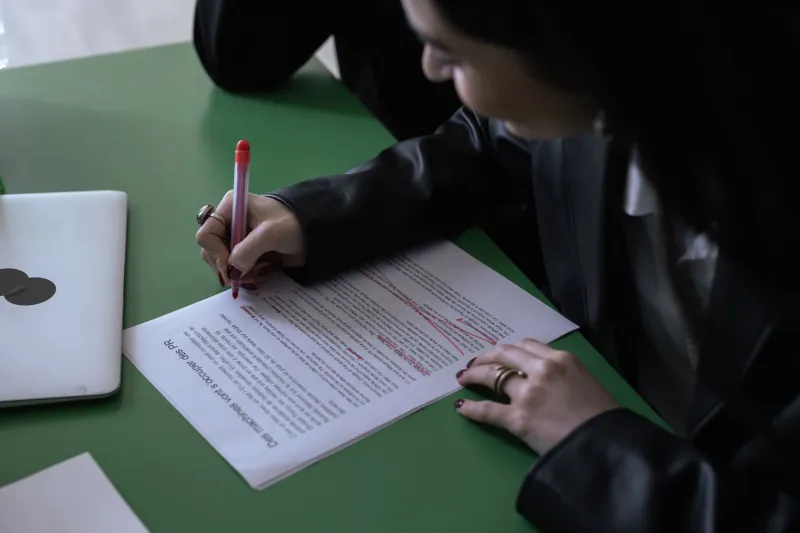
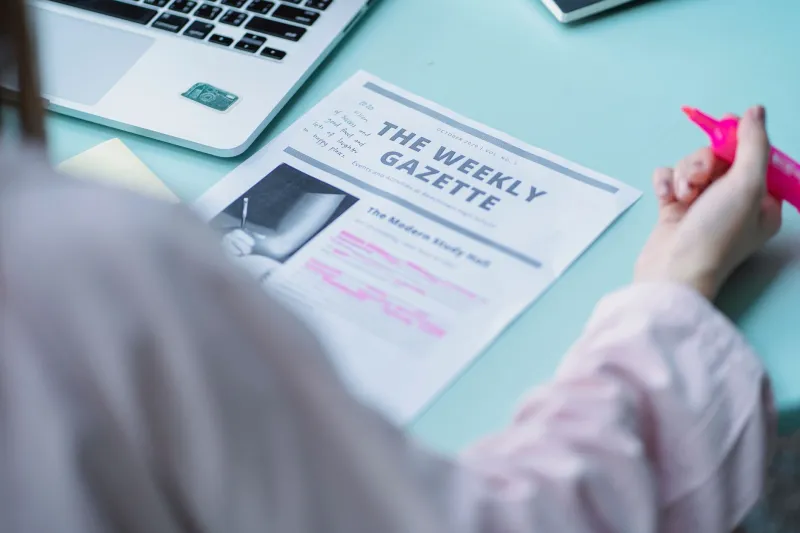
Before you touch the prose, read the draft with a highlighter and mark every claim that could influence a buyer. Not just numbers. Also mark superlatives, comparisons, promises, and anything that sounds like a result. 'Faster', 'safer', 'market-leading', 'seamless', 'saved hours' and 'transformed the business' all go on the list.
Then give each claim a status: number, named source, qualifier, or cut. This sounds rigid because it is. A claim with no evidence is not a stylistic problem. It is a liability wearing a nice adverb.
A useful test is to imagine a sceptical customer reading the sentence and asking two questions: 'So what?' and 'Says who?' If the draft cannot answer both, it is not ready.
Put numbers on a leash
Numbers feel objective, which is why they get borrowed and stretched. A client says admin time fell by 80%. Ask: from what baseline, over what period, for which team, and measured how? A drop from five hours a week to one hour a week is real for that team. It is not the same as an 80% company-wide saving.
Look for missing denominators. 'Saved £50,000' means little without the original cost, the timeframe, or whether it was a one-off. 'Doubled conversion' needs the starting rate. 'Up to 40% faster' needs a ceiling you can actually stand behind, not a best-case anecdote from one enthusiastic Tuesday.
If the client cannot supply the detail, soften the sentence or drop the number. 'Cut reporting time for the pilot team from five hours to one hour a week' is less flashy than 'slashed reporting time by 80%', but it survives a follow-up email.
Named sources need consent and context
A quote from 'a satisfied client' is not evidence. It is decoration. If the case study uses a named person, check that they have agreed to be named, that their job title is current, and that the quote says what the draft implies. In the UK, personal data and privacy expectations apply even when the person is a business contact. A quick written permission is not bureaucracy; it is the difference between a quote and a complaint.
Context matters too. 'This changed everything' from a managing director carries more weight than the same line from an intern, but only if the reader knows who is speaking and why. Avoid anonymous praise unless there is a good reason, and say what that reason is. 'A client who asked not to be named' is honest. 'Industry experts agree' is usually a shrug in a suit.
Qualifiers are not weakness
Writers often fear that qualifiers make copy sound hedgy. Bad qualifiers do. Good ones make a claim believable. 'In the first six months', 'for the pilot group', 'according to the client's internal figures' and 'in one department' all do useful work. They tell the reader exactly how far the claim travels.
What you want to avoid is the vague qualifier that creates a get-out without adding meaning. 'Helps to support improved outcomes' is not a claim; it is fog. 'Can reduce' is fine only if the evidence shows it can. Do not use 'up to' as a cloak for 'possibly, once, in ideal conditions'.
If a client insists on an unprovable line, offer a safer alternative. Instead of 'game-changing efficiency', try 'cut invoice processing from three days to one for the accounts team in the first quarter'. If they cannot support even that, the claim is not ready.
Keep approvals tidy
Case study approvals go wrong when everyone remembers a different version. Send an annotated draft with a simple evidence column beside each claim: number, source, qualifier, or awaiting proof. Ask the client to approve the claims, not just the vibe.
Version control is your friend. Name files clearly, date them, and keep the final approved version separate from working drafts. An email that says 'looks good' is not the same as sign-off on a specific set of claims, especially if the copy later appears in a regulated sector. For higher-risk projects, ask for approval in writing and note the date. If a claim changes after approval, it goes back for approval again.
Flag the compliance edges
You are an editor, not a regulator, but you should know when to raise a hand. UK consumer protection rules take a dim view of misleading actions and omissions. Advertising codes expect marketers to hold evidence for claims. Financial promotions, health claims, environmental claims and anything aimed at children can carry extra rules. If the case study says 'green', 'carbon neutral', 'guaranteed', 'clinically proven' or 'risk-free', slow down and ask for the paperwork.
At Get Writer Help, the useful habit is to separate the copy edit from the evidence conversation. Fix the sentences, then tell the client plainly which claims need proof before publication. That keeps you in your lane and keeps them out of trouble.
The final read-through
Read the finished case study as if you are a suspicious customer with a search engine. Every superlative should earn its place. Every number should have a home. Every quote should belong to a real person who knows it is being used. Every qualifier should narrow the claim, not hide it.
Then send the client a tidy handover: final copy, claim notes, approval trail, and a short list of anything still pending. It is less exciting than a game-changing headline. It is also much easier to defend when someone asks a perfectly reasonable question.